
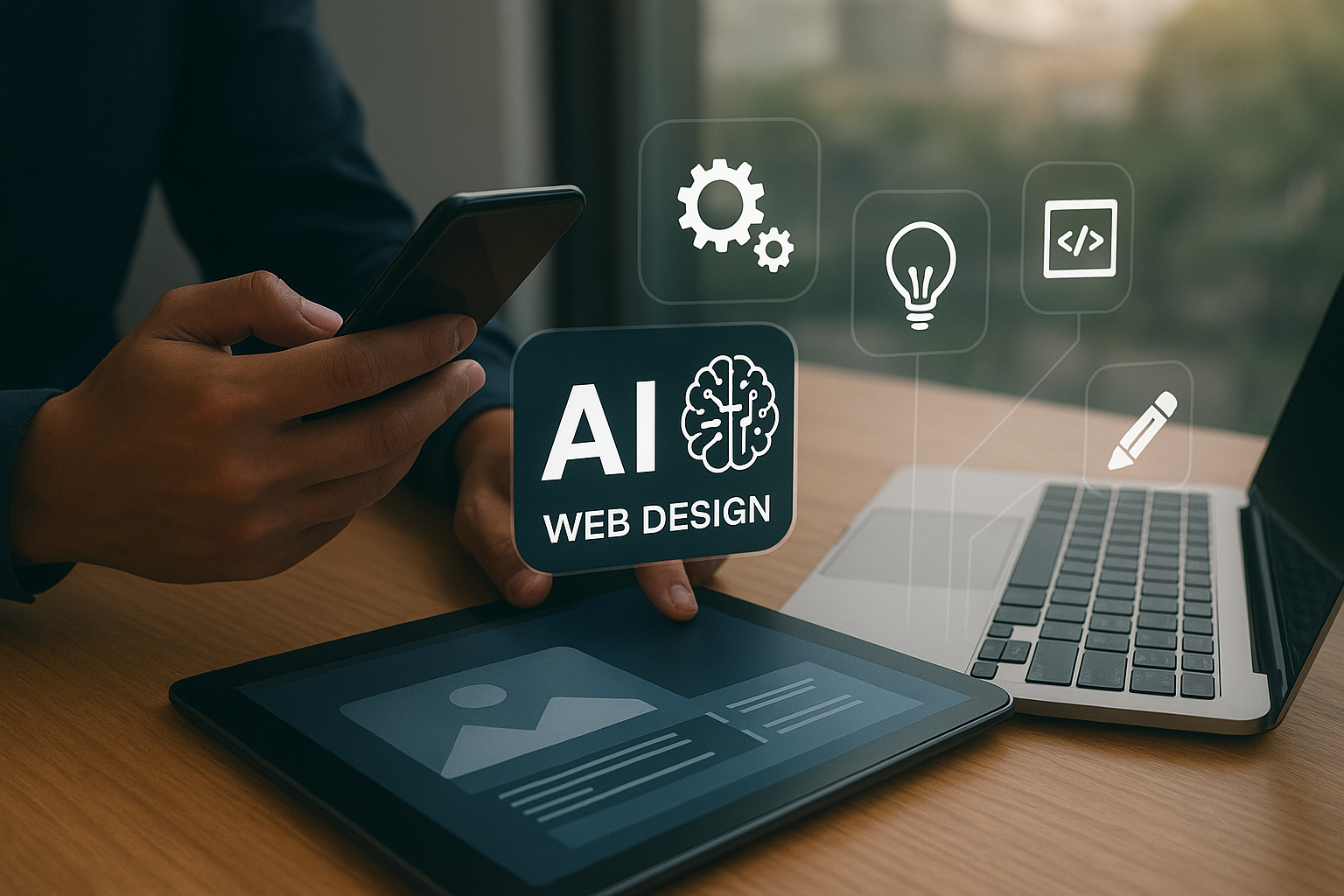
Technology has always pushed creativity forward, from static HTML pages to dynamic, responsive websites. But today, we’ve reached a new chapter: AI in web design. This evolution isn’t just about faster workflows; it’s about smarter, more data-driven creativity that bridges the gap between aesthetics and intelligence.
With artificial intelligence , websites no longer depend solely on a designer’s intuition. They now learn, adapt, and evolve to meet user needs. From layout automation to predictive personalization, AI-powered web design is redefining how digital experiences are built and optimized.
Let’s explore how this transformation is making web design smarter, faster, and more human than ever.
From Guesswork to Data-Driven Design
Traditionally, web designers relied heavily on instinct and trends, choosing colors, layouts, and typography based on experience. But in the digital age, that approach is shifting. Thanks to analytics-based web design, creative decisions are now guided by data and user behavior.
AI algorithms analyze thousands of interactions, how users scroll, where they click, how long they linger, and turn those insights into design intelligence. This allows websites to continually improve themselves, not by guesswork, but by evidence.
For instance, if users ignore a call-to-action button, AI tools can suggest repositioning it or altering its style to increase engagement.
The result is a smarter workflow where designers remain storytellers, but their creative instincts are enhanced by the precision of machine learning.
Why AI Matters in Modern Web Design
AI isn’t just speeding things up; it’s elevating what’s possible. Modern AI-based web development makes websites behave more like living ecosystems, learning from every visitor and adapting in real time.
Imagine visiting a website that tailors its layout, visuals, and tone based on your interests. A homepage that reorders its content based on what you care about most. This level of personalization was once a dream; now, AI-driven web design makes it attainable.
- Efficiency: Faster builds and updates powered by automation.
- Connection: Designs that feel personal and relevant to each visitor.
In short, AI bridges the gap between data and emotion, something every brand needs to stand out online.
The Rise of Automated Design Tools
There’s a growing wave of AI tools for web design, making creation faster and more intuitive. These platforms can now generate mockups, optimize page layouts, and even write content that aligns with your brand’s tone.
Some standout tools include:
- Wix ADI: Instantly creates personalized websites.
- Framer AI: Transforms text prompts into design-ready layouts.
- Hostinger AI Builder: Simplifies development for non-designers.
- Figma AI Assist: Enhances collaboration and idea generation.
- Adobe Firefly: Uses generative AI for visuals and graphics.
These AI-powered website design tools don’t eliminate designers; they amplify them. Instead of spending hours aligning margins, designers now spend their energy crafting emotional impact, the part that truly connects with users.
Balancing Automation with Human Creativity
As AI gets more capable, an important question arises: where does the human touch fit in?
The answer lies in balance. While automated web design tools handle repetitive tasks, creativity still comes from people. True design is emotional. It’s about understanding the audience’s mindset, brand story, and cultural tone, something algorithms can’t replicate.
For instance, AI website builders might structure a product page flawlessly, but only a human can ensure that it evokes trust or excitement. The future of web design isn’t about choosing between AI and humans; it’s about collaboration between logic and emotion, precision and passion.
How AI Enhances the Design Process Today
Here are five practical ways AI is already improving the web design process:
1. Smarter Layouts
AI analyzes heatmaps, conversion data, and user flow to suggest which design elements perform best. It can automatically test variations and optimize layouts for engagement and accessibility.
2. Personalized Experiences
Using analytics, AI tailors user journeys on the fly, from showing relevant products to adjusting call-to-action buttons based on behavior. This leads to higher conversions and stronger brand loyalty.
3. Rapid Prototyping
With AI-based web development tools, prototypes that once took days now take minutes. Designers can visualize multiple design directions instantly, saving time for refinement and strategy.
4. Content and SEO Optimization
AI tools can analyze tone, readability, and keyword usage, ensuring your content performs well both for users and search engines. It’s like having an editor and strategist in one.
5. Accessibility and Inclusivity
AI can detect low-contrast colors, text legibility issues, or poor navigation flow, all of which impact accessibility. As a result, websites become more inclusive and user-friendly for all audiences.
Overcoming the Challenges of AI in Design
Despite its benefits, AI in web design isn’t without challenges.
Designers worry about losing creative control, while businesses fear their sites might look too generic. However, these risks are avoidable when AI is used strategically, as a guide, not a dictator.
AI shouldn’t replace imagination; it should refine and elevate it.
By allowing AI to handle data-heavy or technical tasks, designers gain more time for storytelling, emotion, and brand-building, the true heart of design.
The secret is clear: don’t hand over the wheel; steer with better tools.
The Future: From Static Pages to Intelligent Experiences
Looking ahead, AI in web design will go far beyond templates and automation. Future websites will be dynamic, self-learning systems that evolve automatically with each visitor interaction. Every click, scroll, and hover will teach the site how to improve.
This means designers will transform into experience architects, shaping evolving ecosystems rather than static pages. And the role of a website development consultant will grow more important, helping businesses adopt AI with purpose and creativity.
Soon, we’ll move from “designing websites” to training them, guiding intelligent systems that understand user behavior as deeply as we do.
Design with Intention, Build with Intelligence
At the end of the day, web design isn’t becoming less human, it’s becoming more intentional.
AI helps uncover insights, predict user needs, and improve every aspect of the design process. But creativity, empathy, and storytelling remain irreplaceable.
AI-powered web design isn’t about replacing people; it’s about empowering them to design faster, smarter, and more meaningfully.
The result? Digital experiences that feel personal, intuitive, and alive.
That’s how the next era of the web is being built, one intelligent design choice at a time.
FAQs: AI in Web Design
What is AI in web design?
AI uses algorithms and data analytics to automate design tasks, personalize user experiences, and enhance website performance.
Will AI replace web designers?
No. AI handles repetitive work, but creativity, strategy, and emotional understanding still require human designers.
What are the best AI tools for web design?
Top tools include Wix ADI, Framer AI, Figma AI Assist, Hostinger AI Builder, and Adobe Firefly.
How does AI improve conversion rates?
AI analyzes behavior and continuously optimizes design elements to boost engagement and conversions.
Is AI web design suitable for small businesses?
Yes. Automation makes professional web design faster and more affordable, helping small businesses compete effectively.